What we do
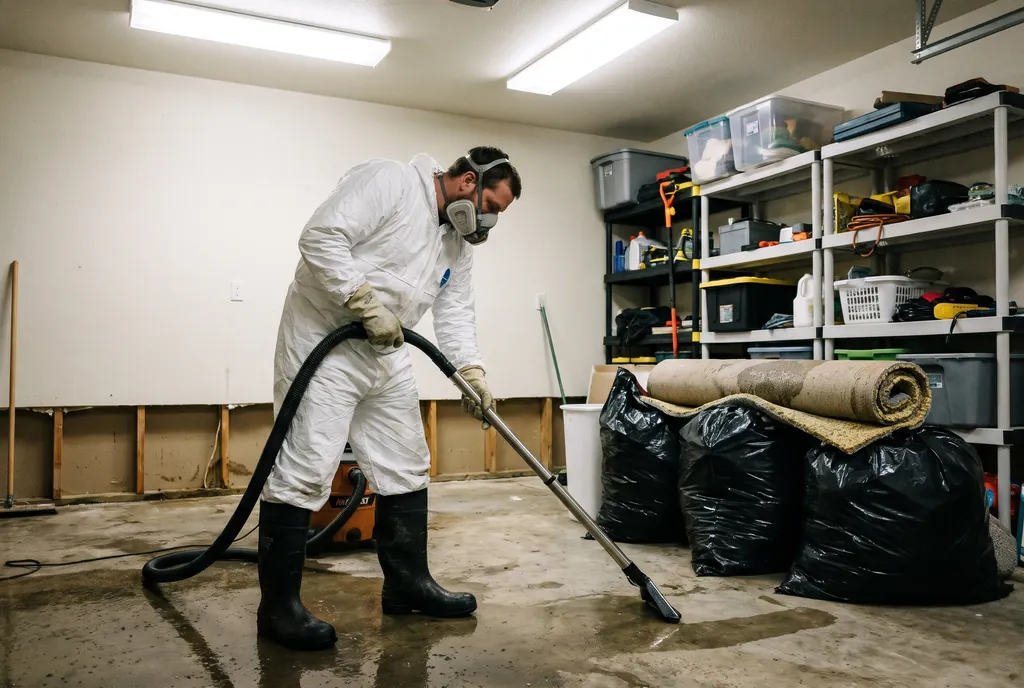
- Protective gear and area control
- Removal of contaminated water
- Removal of soaked porous materials
- Cleaning and antimicrobial treatment
- Drying with moisture checks
- Rebuild of removed materials
Signs you need help
- Toilets, tubs or drains backing up
- Gurgling drains and sewer smell
- Floodwater from outside
- Any overflow with waste
One licensed team, cleanup to rebuild
Eagle Restoration is a licensed California contractor, License #1038469. Because we hold both Class A and Class B licenses and keep engineering in-house, the team that stops the damage is the same team that rebuilds it, permits included.
We're an IICRC Certified Firm, and we document every job with photos, moisture readings and line-item estimates at industry-standard pricing for your insurance adjuster.
Sewage & contaminated water: common questions
Why is sewage treated differently from a regular leak?
The industry standard (IICRC S500) classes sewage as Category 3 water. It can carry bacteria, viruses and other contaminants. That changes how it is cleaned, what can be saved and what protective gear the crew wears.
Is it safe to clean up sewage myself?
We don't recommend it. It takes protective gear, careful removal of contaminated materials and proper disinfection. Keep kids, pets, older adults and anyone with a weak immune system away from the area, and don't track the water through the house.
What has to be thrown away?
Porous materials soaked by sewage, like carpet and pad, drywall, insulation and many upholstered items, usually can't be reliably sanitized, so they are removed. Hard, non-porous items can often be cleaned and disinfected. We document everything we remove for your claim.
Is a toilet overflow considered sewage?
It depends. Clean water from the tank or a clean bowl is lower risk. An overflow with waste in it is Category 3 and should be treated as sewage. If you're not sure, treat it as contaminated.